
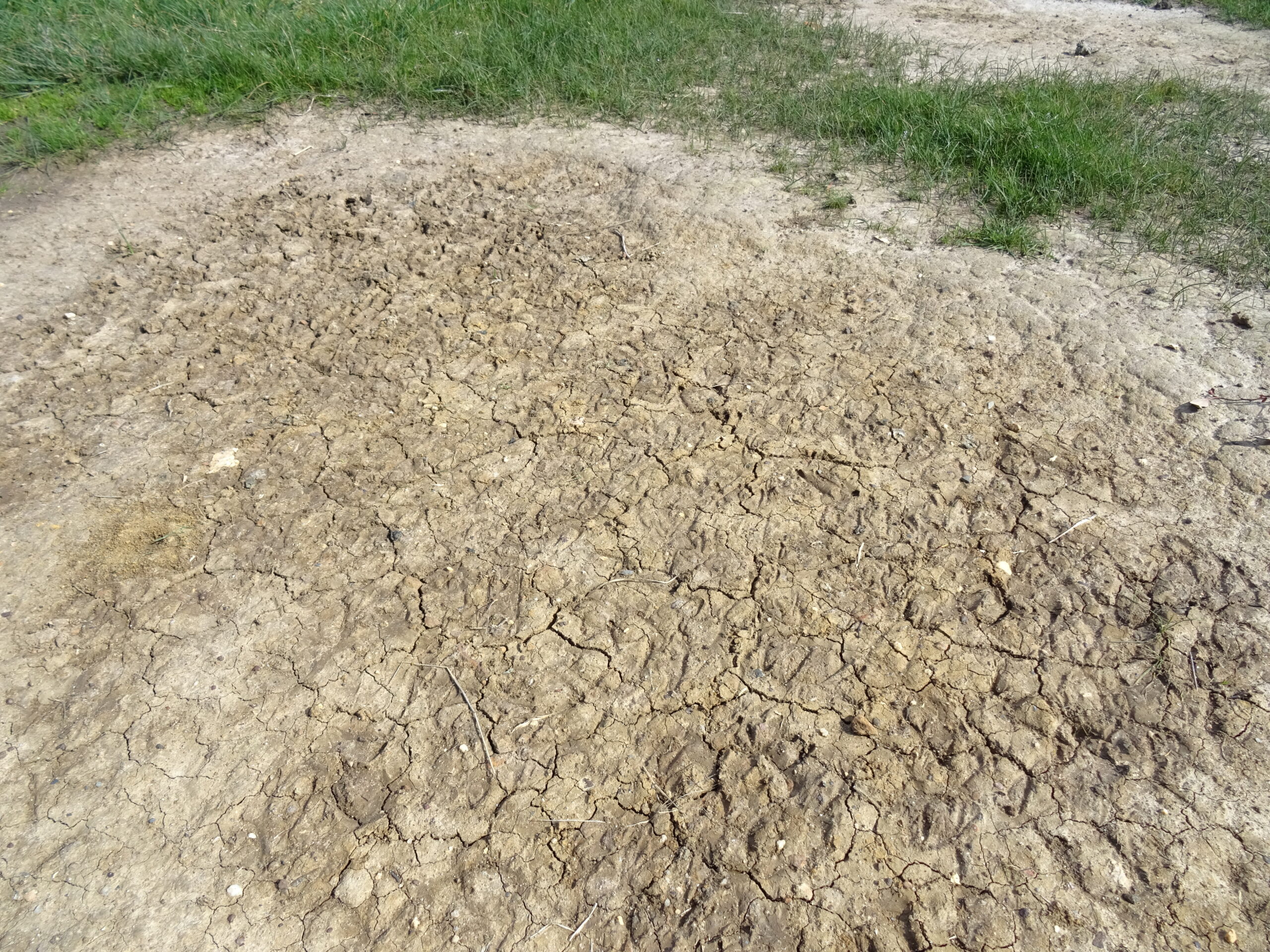
Seven soil surprises after drought — and what they mean on farm
Drought changes more than moisture levels — it shifts how soils behave. The Cooperative Research Centre for High Performance Soils (Soil CRC) has outlined seven key impacts farmers should factor into post-drought decisions.
Heavy soils need more rain to recover
Clay soils hold water tightly and require substantial rainfall before they support germination. Lighter soils respond sooner, so prioritise these first when sowing after a dry spell.
Water repellence isn’t just sandy soil
Dry conditions can make even heavier soils water repellent, leading to patchy establishment. Repellence usually fades after several rain events but avoid dry sowing. Wetting agents may help on sands.
Beneficial fungi take a hit
Arbuscular Mycorrhizal Fungi (AMF), decline in drought, reducing nutrient uptake (especially Phosphorus and Zinc) however, bacteria is quick to recolonise soils following dry conditions provided there is organic carbon to feed on.
High soil P or high P fertiliser rates can compensate for reduced AMF. You can build populations of AMF using low mycorrhizal dependency cereals like wheat and oats before moving to higher dependency crops like sorghum, maize, sunflower, faba bean, linseed, chickpea and mung bean.
Nitrogen flush after rain
During drought, plants take up less N and mineralisation slows. When rain returns, microbial activity surges, releasing a flush of nitrogen. Crops may not respond to added N straight away. Soil test to avoid unnecessary applications and losses.
Phosphorus may carry over
Low plant uptake during drought means more P may be available for the next crop or pasture, depending on soil type and P fixing capacity. Soil testing can identify opportunities to reduce P fertiliser inputs.
Higher toxicity risks in dry soils
Dry soils concentrate ions in the soil solution.
This can cause:
- Transient salinity in sodic soils which interferes with root water absorption
- Boron toxicity causing leaf necrosis and reduced root growth
- High bicarbonate levels, which restrict root growth
These issues ease once soils re wet, highlighting why sowing dry is risky. Many of these characteristics are inherent and not easily reversed.
More surface crusting
Loss of groundcover and surprisingly reduced cultivation increase crusting, especially on lighter soils (loamy sands and sandy loams). Their weaker aggregates break down and settle into a sealed layer, reducing infiltration and emergence. Heavy rain often resolves crusts without intervention.
Bottom line: After drought, soil conditions can vary widely. Match sowing order, fertiliser decisions and expectations to how soils respond as moisture returns.
For more information check out
Managing soils during and after drought in grazing systems – Fact sheet – Soil CRC
and
Managing soils during and after drought in cropping systems – Fact sheet – Soil CRC
By Lisa Miller, SFS Specialist Research & Extension Officer