Lucerne Flea in Pastures: Identification, Impact, and Management
Lucerne flea is a common pasture pest that affects lucerne and a range of other pasture plants, particularly in high winter rainfall farming regions. Despite its small size, this insect can cause significant damage by feeding on plant tissue, reducing pasture growth and lowering the productivity of forage crops. Understanding its life cycle, symptoms, and management options is important for maintaining healthy pastures.
What is Lucerne Flea?
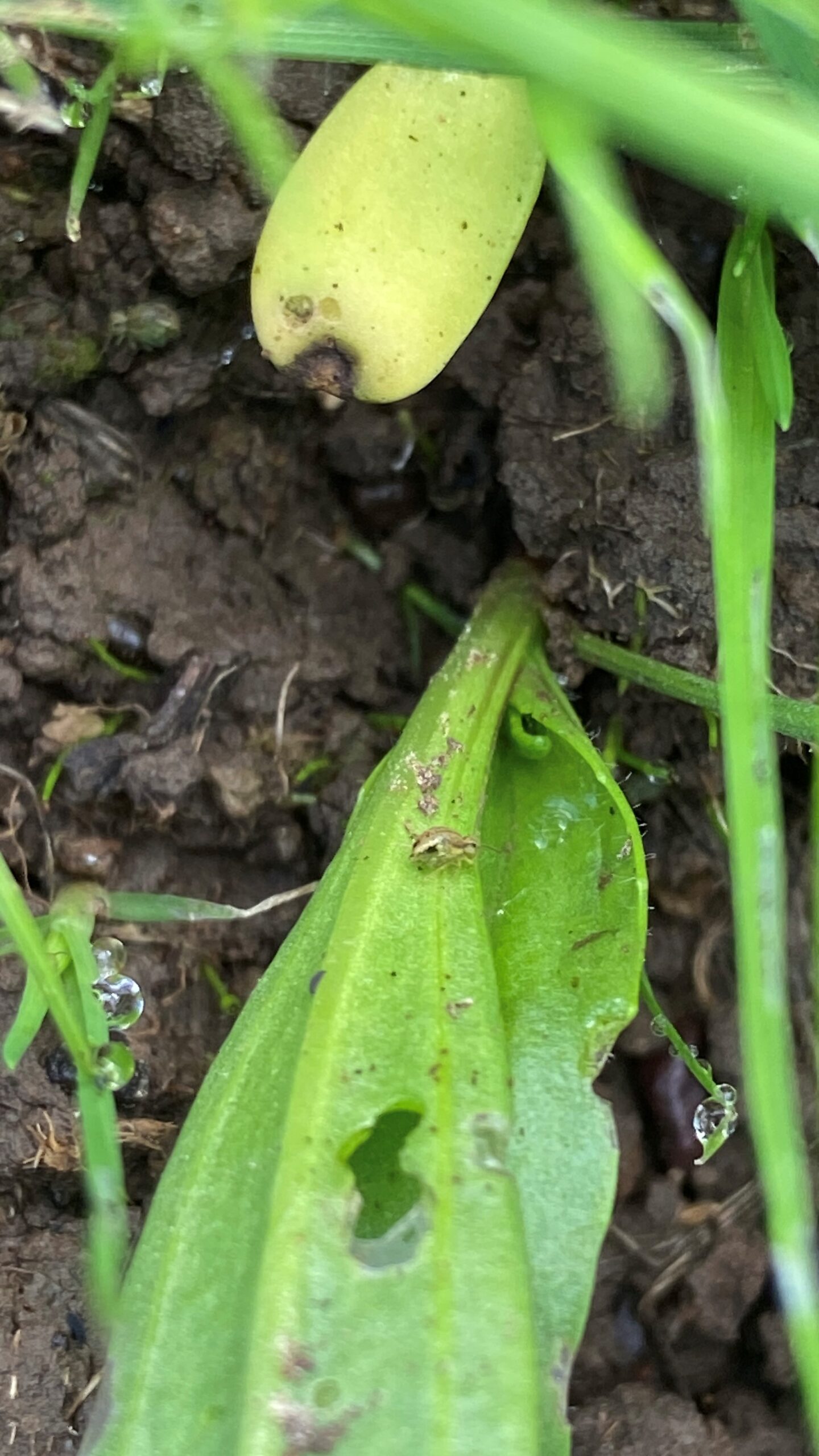
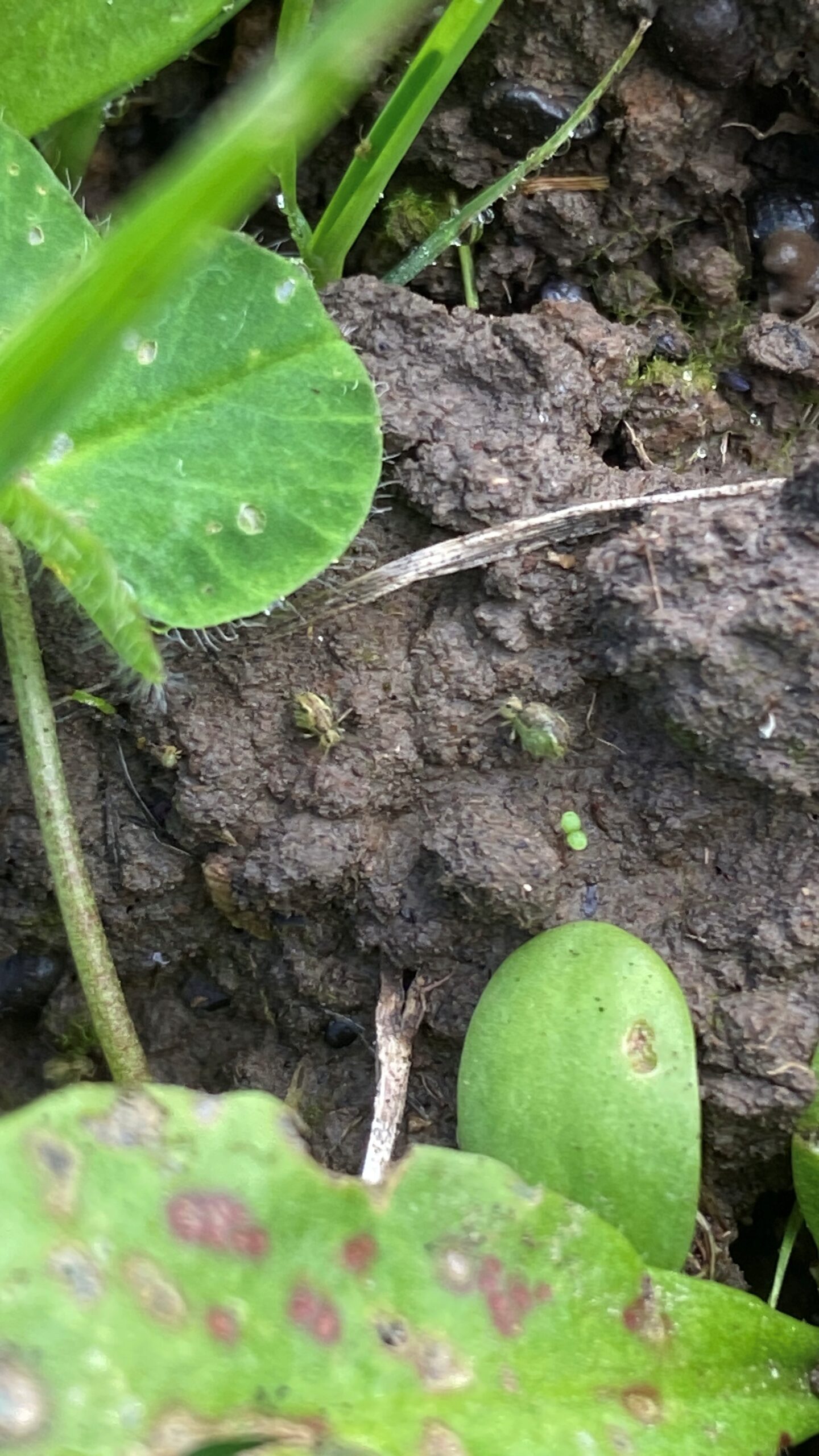
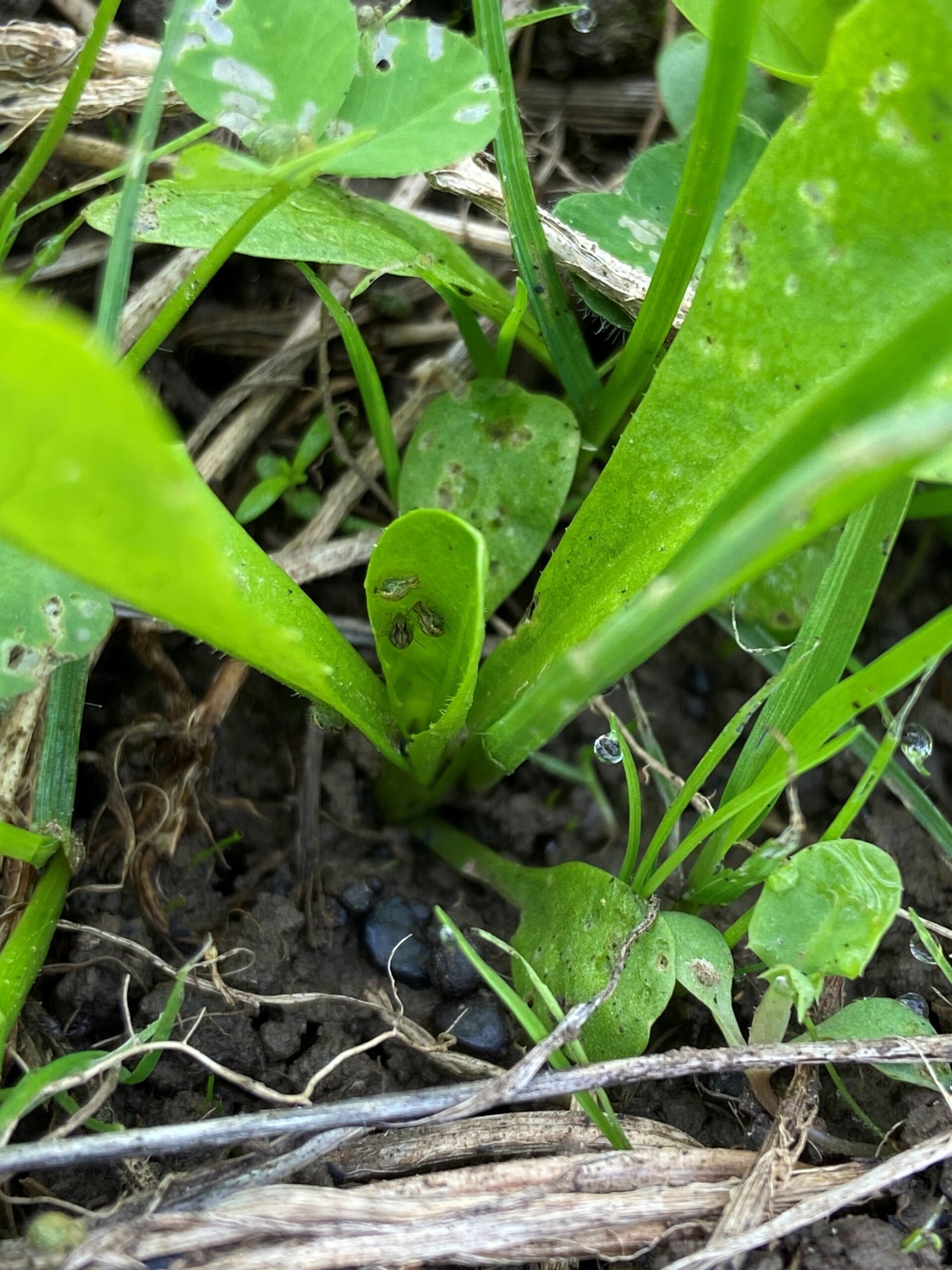
Lucerne flea (Sminthurus viridis) is a small, wingless insect belonging to the springtail group. Adults are usually about 1–3 mm long and are commonly green or yellow-green in colour. They are often found in large numbers on the soil surface and among pasture foliage, especially during cool and moist conditions. The pest is not a true flea and does not bite animals. It gets its name from its ability to jump when disturbed, similar to fleas.
Life Cycle and Conditions Favouring Outbreaks
Lucerne flea populations are most common during autumn, winter, and spring when temperatures are mild and soil moisture is high. They survive through eggs and develop rapidly when favourable conditions occur.
The life cycle includes:
- Egg: Eggs survive in the soil and plant debris.
- Nymph: Young lucerne fleas feed actively on pasture plants and cause most damage.
- Adult: Adults continue feeding and reproduce, allowing populations to build quickly.
Wet seasons, dense pasture growth, and minimal soil disturbance can encourage outbreaks.
Damage to Pastures
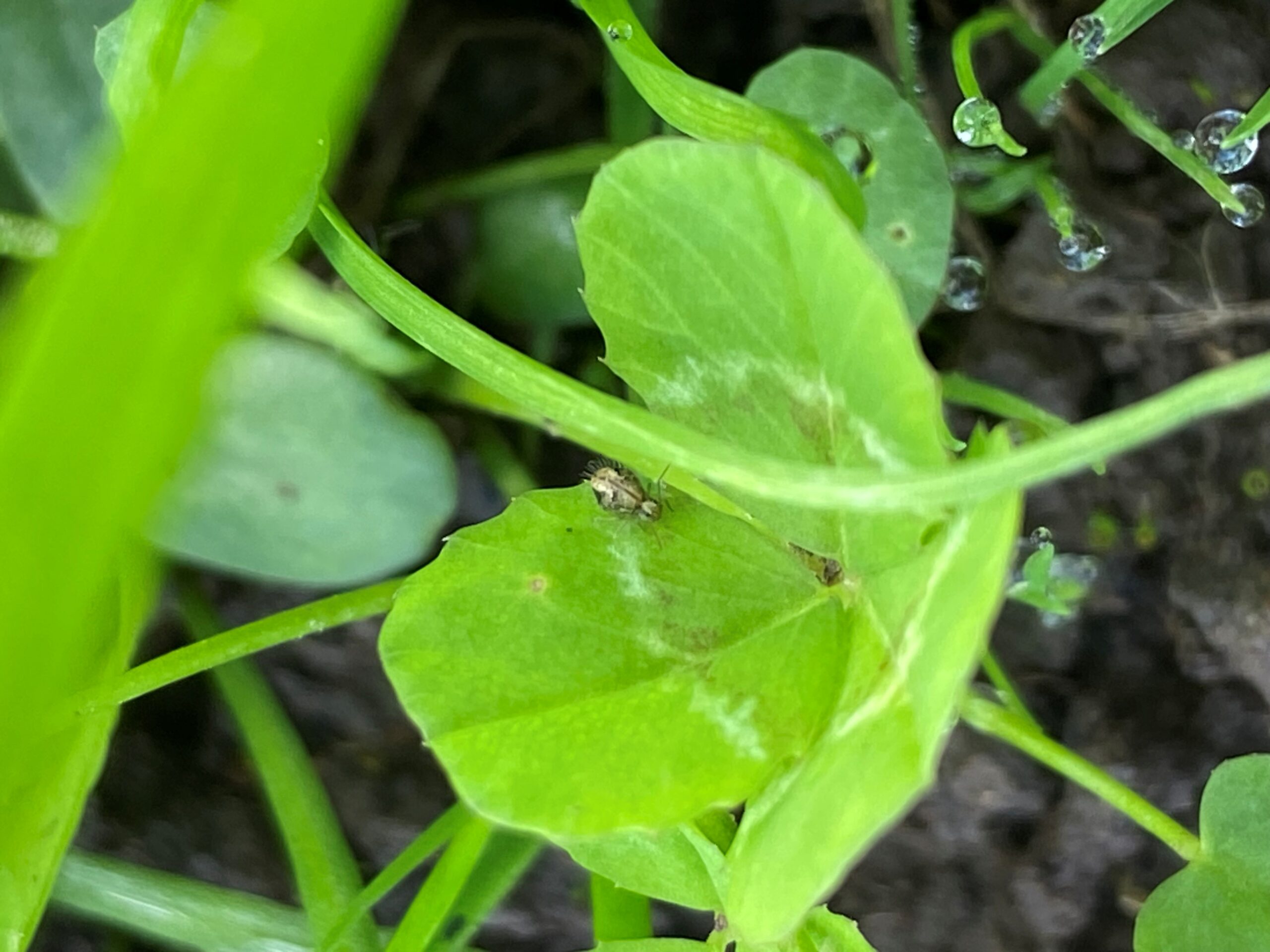
Lucerne flea feeds by scraping the surface of leaves and stems, removing plant tissue.
This feeding creates characteristic symptoms:
- Small white or transparent patches on leaves
- “Windowing” of leaf tissue where only the thin leaf surface remains
- Reduced plant vigour and slower growth
- Severe damage leading to leaf loss and reduced pasture yield
Lucerne, clovers, medics, and young pasture plants are particularly vulnerable. Seedlings can be heavily affected because they have limited leaf area and less ability to recover.
Monitoring and Identification
Regular monitoring is important because damage can occur before large numbers of insects are obvious.
Farmers can check for lucerne flea by:
-
Inspecting leaves for feeding damage
-
Looking closely at the soil surface and plant crowns
-
Sweeping pasture with a net
-
Placing a damp cloth or paper on the ground and checking for insects that gather underneath
Correct identification is important because other small pasture insects can produce similar symptoms.
Management Strategies
Effective control usually involves an integrated approach:
Pasture Management
-
Grazing management will reduce the heigh of pasture and therefore limit food resources and increase mortality of lucerne fleas
-
Avoid overgrazing, which reduces plant recovery ability
-
Encourage strong plant establishment before winter
Biological and Cultural Control
-
Promote pasture diversity where suitable
-
Use grazing management to reduce plant stress
-
Consider crop rotation and pasture renovation practices
Chemical Control
Chemicals may be used when pest numbers reach damaging levels. Treatment decisions should consider:
-
Pest density- Lucerne fleas are often patchily distributed within crops, so spot spraying may be sufficient
-
Plant growth stage
-
Weather conditions
-
Product label requirements and resistance management guidelines- Lucerne fleas have a high natural tolerance to synthetic pyrethroids.
Lucerne flea is a small but important pasture pest capable of reducing forage production and affecting livestock feed availability. Early detection, good pasture management, and timely control measures are key to minimising damage. By understanding the pest’s behaviour and life cycle, producers can make informed decisions to protect pasture health and productivity.
By Isabelle Fox, Graduate Research & Extension Officer