
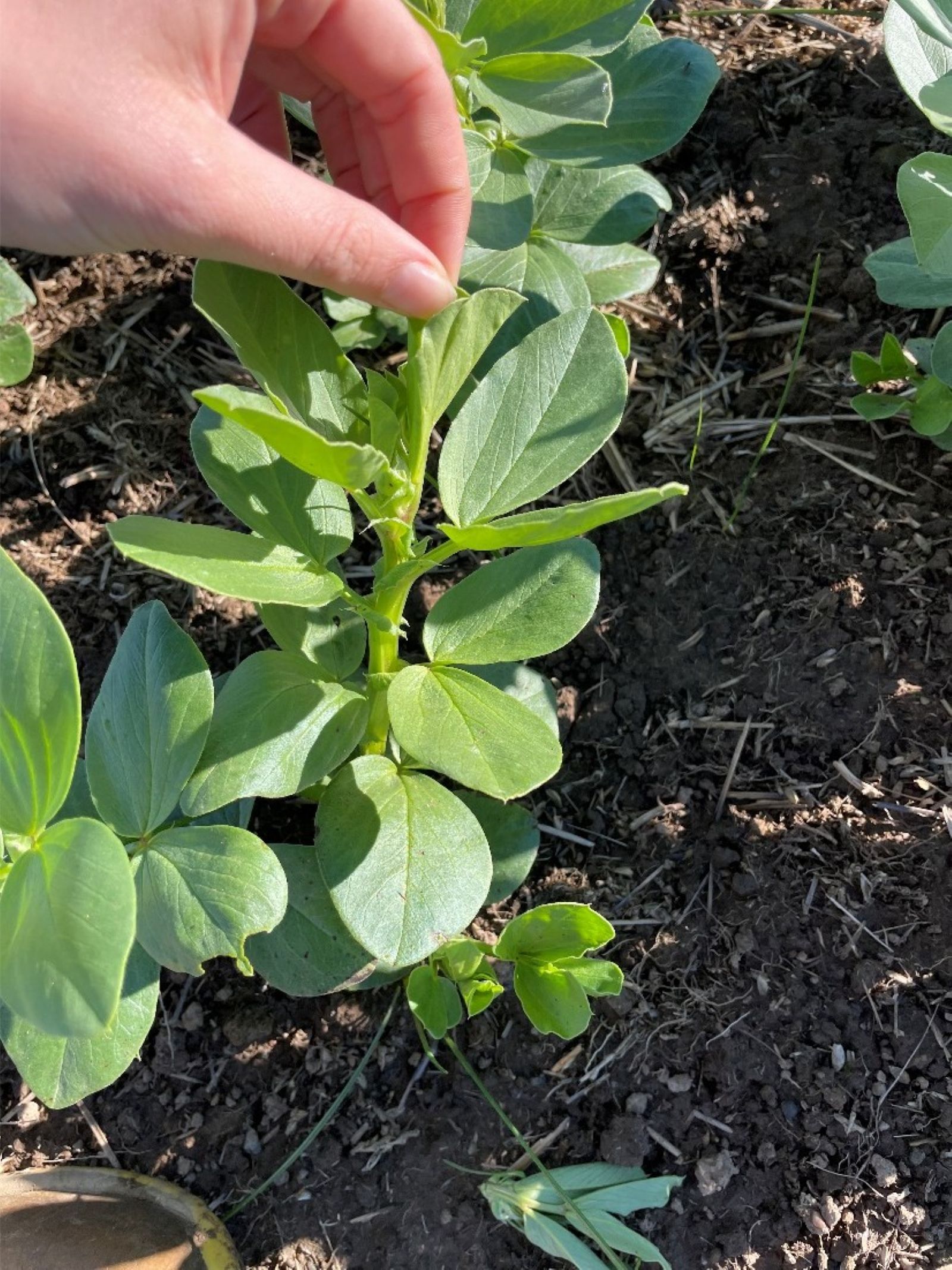
Low disease pressure in faba beans doesn’t mean lowering your guard
Disease pressure in faba bean crops across south-west Victoria has remained relatively low so far this season. Cooler conditions and extended dry periods have limited the development and spread of common foliar diseases such as chocolate spot and ascochyta blight in many paddocks.
While this is encouraging, low disease pressure should not lead to complacency. Disease risk can change rapidly if seasonal conditions become favourable, particularly during flowering when crops develop dense canopies and prolonged leaf wetness can trigger infection. Regular crop monitoring remains essential to identify disease early and determine whether fungicide intervention is warranted.
The current season also presents a valuable opportunity to reinforce good fungicide stewardship. Applying fungicides only when required helps maximise their effectiveness, reduces unnecessary input costs, and slows the development of fungicide resistance. Fungicide applications should be based on crop growth stage, disease presence, seasonal conditions, and weather forecasts rather than applying products as routine insurance sprays.
When fungicide applications are required, careful consideration should also be given to fungicide mode of action. Repeated use of products from the same mode of action group increases selection pressure for fungicide-resistant pathogen populations. Where multiple fungicide applications are required throughout the season, rotate between different mode of action groups where possible and always follow label recommendations regarding the number of applications permitted for each group. Avoid consecutive applications of the same active ingredient or mode of action unless specifically recommended, as preserving the effectiveness of existing fungicides is essential for long-term disease management.
The key message this season is simple: although disease levels are currently low, remain vigilant. Good crop monitoring, informed fungicide decisions, and responsible mode of action rotation will help protect yield while maintaining the effectiveness of fungicides for future seasons.
For more information, DPIRD has a create resource that take growers through the diseases, disease resistance ratings and what foliar fungicide products are available: https://www.dpird.nsw.gov.au/__data/assets/pdf_file/0006/1562037/Managing-diseases-of-faba-bean-2025.pdf
Image: Very clean PBA Bendoc bean at Hamilton in July. Source: Greta Duff, SFS
Author: Greta Duff, Research & Extension Cropping Coordinator